Mandy Croft
Cooking vegetables to perfection, especially tougher varieties, can be a challenge. Overcooked tough vegetables often become mushy, lose their natural flavor, or turn tough and chewy if undercooked or improperly prepared. Achieving the ideal texture and taste requires understanding the characteristics of these vegetables and applying specific cooking techniques. Here are expert strategies to help you avoid overcooking tough vegetables and unlock their best flavor and texture.

Understanding the Nature of Tough Vegetables
Tough vegetables, such as broccoli stems, asparagus, carrots, and potatoes, contain fibrous tissues and dense structures that require careful preparation and cooking. Their texture can quickly turn unappetizing if cooking times and methods aren’t suited to their firmness. Recognizing this helps in choosing the right approach to cook them.
Key Tips to Avoid Overcooking Tough Vegetables
1. Prepare Vegetables Appropriately
- Uniform Cutting: Cut vegetables into even-sized pieces to ensure they cook evenly. Unequal sizes lead to some parts becoming mushy while others remain undercooked.
- Peeling and Removing Woody Ends: For vegetables like asparagus or stalks like broccolini, peeling the tough outer layer and trimming the woody ends can prevent chewiness.
- Freshness: Use fresh vegetables when possible because older vegetables tend to toughen and may require longer cooking.
2. Use the Right Cooking Method and Temperature
- Roasting: Coat vegetables evenly with oil and seasoning before roasting. Do not overcrowd the pan; vegetables need space to roast rather than steam. Preheat the oven, and roast at temperatures between 375°F and 425°F for a crisp exterior without toughness.
- Simmering vs. Blanching vs. Parboiling: Blanching involves briefly boiling vegetables then shocking them in ice water, which preserves color and texture, perfect for tougher veggies. Parboiling cooks vegetables longer but still partially, allowing for finishing with another cooking technique.
- Steaming: A gentle cooking method that helps soften tough vegetables without waterlogging them or losing flavor.
3. Cook with Attention and Timing
- Monitor Doneness Early: Test vegetables several minutes before the expected cooking time ends. Vegetables often continue to cook after removal from heat due to residual warmth.
- Use a Fork or Knife Test: Insert a knife or fork to gauge tenderness — it should meet slight resistance but still slide off easily when done.
- Avoid Overcrowding in Pots and Pans: Crowding traps steam and results in uneven cooking and mushiness.
4. Season During and After Cooking
- Salt the Cooking Water: When boiling or blanching, adding salt seasons the vegetables from within and enhances natural flavors.
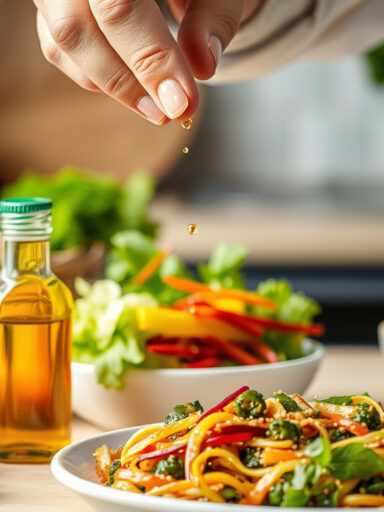
- Finish with Oil or Butter: After cooking, lightly toss vegetables with healthy fats and fresh herbs or spices to boost taste and maintain moisture.
5. Consider the Use of Frozen Vegetables
Frozen vegetables are usually picked and frozen at peak ripeness, offering great flavor and nutrition. They require similar cooking methods as fresh vegetables but often need shorter cooking times—simply adjust accordingly and test regularly to avoid toughness.
Practical Example: Roasting Asparagus and Broccolini
- Preheat oven to 400°F.
- Trim woody ends and peel if necessary.
- Toss with oil, salt, and preferred seasonings in a large bowl.
- Spread out in a single layer on a sheet pan.
- Roast for 10-12 minutes, checking for tenderness.
- Remove before fully soft to avoid toughness.
Conclusion
Mastering the cooking of tough vegetables is an achievable skill that hinges on preparation, timing, and proper cooking methods. By preparing vegetables correctly, monitoring their cooking closely, and choosing the right technique, you can enjoy vegetables with ideal texture and enhanced natural flavor every time. With practice and attention, your dishes will consistently impress with perfectly cooked, delicious veggies.