Mandy Croft
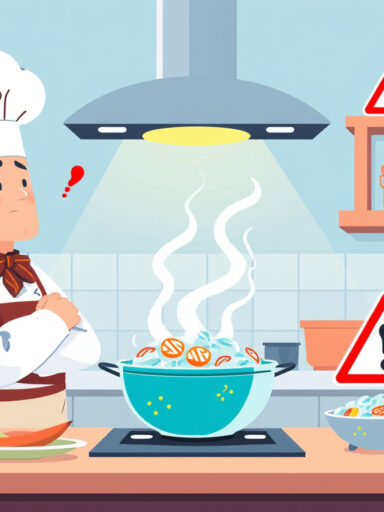
Water is fundamental in cooking—used for boiling, steaming, braising, and more. However, adding too much water can be detrimental, diluting flavors, affecting texture, and altering cooking times. Whether you’re simmering sauces, cooking rice, or preparing soups, mastering the right water-to-ingredient balance is key to culinary success. In this article, we explore practical strategies to avoid overwatering in cooking, ensuring your dishes turn out delicious and perfectly textured every time.

Why Avoid Adding Too Much Water in Cooking?
Excess water in cooking primarily leads to:
- Flavor Dilution: Water can wash away the intensities of herbs, spices, and other flavor components, resulting in bland dishes.
- Unwanted Texture: Overly watery foods can become mushy or soggy, such as soggy rice or stews that lack richness.
- Extended Cooking Times: Extra water takes longer to evaporate, increasing cooking duration and sometimes altering the dish’s consistency.
- Nutrient Loss: Water-soluble vitamins and minerals may leach out into excess water and be lost if discarded.
With these challenges, it’s evident why precise water control is crucial.
Tips to Avoid Adding Too Much Water for Perfect Cooking
1. Measure Ingredients and Water Accurately
Use standardized measuring cups or kitchen scales when adding water. Recipes often specify exact amounts; sticking to these recommendations prevents unnecessary extra liquid.
For example, when cooking rice or grains, follow the recommended rice-to-water ratio (e.g., 1 cup rice to 1.5 cups water) to avoid sogginess.
2. Add Water Gradually
Rather than pouring all the water at once, add it in increments. This approach allows better control, as you can assess moisture levels partway through cooking and add more only if necessary.
3. Use Moisture-Rich Ingredients Strategically
Many ingredients naturally release water during cooking—like tomatoes, mushrooms, and zucchini. Compensate by reducing added water to balance the overall moisture.
4. Pay Attention to Cooking Methods
-
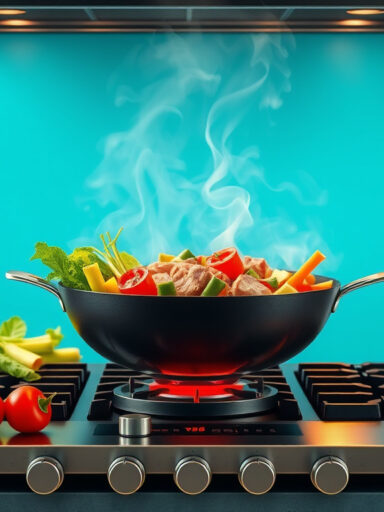
Sautéing and Stir-Frying: Avoid adding water; these methods rely on high heat and dry cooking for caramelization and flavor development.
-
Braised or Stewed Dishes: Use just enough water or broth to cover ingredients partially and maintain moisture without drowning them.
-
Boiling and Simmering: Ensure the liquid covers items as directed but avoid excess.
5. Monitor and Adjust During Cooking
Watch your dish’s progression closely. If too much water accumulates, increase heat slightly to allow evaporation or remove the lid to release steam.
6. Use Broth or Stock Instead of Water
Replacing some or all water with broth enhances flavor profiles, reducing the tendency to dilute taste. Lower quantities might then be needed because broth contributes more moisture and savory elements.
7. Watch for Visual and Sensory Cues
- Look for bubbling or simmering signs to gauge moisture.
- Smell aromas to detect whether flavors seem diluted.
- Taste frequently, especially when adding liquid, to avoid overwatering.
The Importance of Hydration Balance Beyond Cooking
While cooking requires careful water management, it’s also essential to recognize the implications of water intake on health—especially hydration. Excessive water consumption can cause overhydration, disrupting electrolyte balance with symptoms like nausea, headaches, and confusion. Similarly, in cooking, too much water can throw off balance, leading to subpar results.
Understanding both culinary and physiological hydration principles highlights why moderation and attentiveness to water quantity are vital.
Common Scenarios Where Too Much Water Can Ruin Dishes
Cooking Rice and Grains
Water measurement is crucial here. Overpouring leads to mushy, sticky grains. Stick to recommended ratios and use methods like the "absorption method," where water is fully absorbed without draining.
Making Soups and Stews
It’s tempting to add lots of water or broth early, but this can dilute flavors. Add less liquid at first and top up gradually, allowing flavors to concentrate as the dish simmers.
Preparing Sauces
Sauces often require reduction, which means excess moisture must evaporate. Excess water leads to prolonged cooking times and thin sauces. Careful addition and simmering keep sauces rich and flavorful.
Conclusion
Mastering water usage in cooking is a key skill that blends precision with sensory intuition. By measuring accurately, adding liquids gradually, compensating for natural moisture, choosing flavor-rich broths, and continuously monitoring your dish, you can avoid adding too much water. This balance preserves flavor intensity, texture, and overall dish quality, elevating your cooking from good to perfect.
Remember, both in the kitchen and in life, moderation is everything. Let your senses guide you as much as your measurements, and enjoy creating mouthwatering meals that delight every time.