Mandy Croft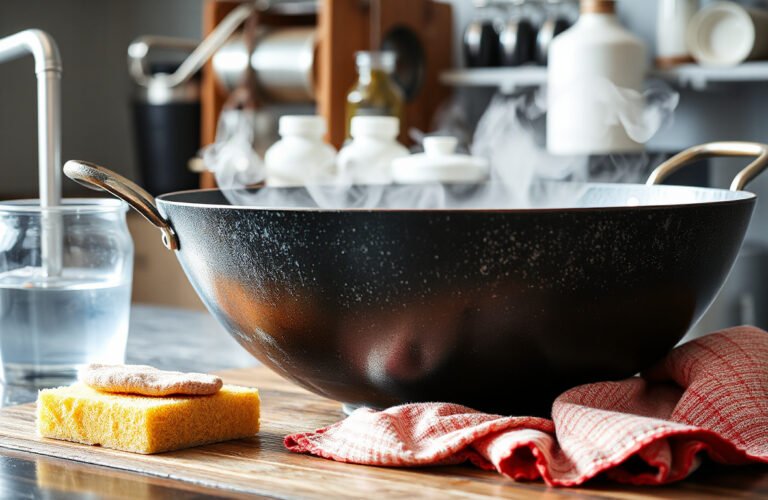
A wok is a versatile kitchen essential prized for its ability to deliver quick, high-heat cooking and impart distinct flavors to your dishes. To maintain its performance and longevity—especially if you have a carbon steel or cast iron wok—how you care for it after each use is crucial. Washing and drying your wok immediately after cooking is a foundational habit that helps preserve its seasoning, prevents rust, and ensures consistent cooking results over time. In this guide, we explore why prompt cleaning and drying matter so much and how to do it properly.

Why Wash Your Wok Immediately After Use?
Prevents Rust and Corrosion
Carbon steel and cast iron woks are prone to rust if moisture lingers on their surfaces. After cooking, residue from sauces, oils, and food particles left on the wok can trap moisture. Especially when acidic foods (like tomato, vinegar, or citrus juice) were cooked, the risk of rust is even higher, as acids tend to break down the wok’s seasoning quickly. Washing your wok promptly removes these substances before they have a chance to cause damage.
Makes Cleaning Easier
Fresh food residue and oil are easier to wash off than dried-on, baked-on bits. The faster you clean, the less effort you’ll need, preventing stubborn stains and buildup. In professional kitchens, chefs often rinse their woks while still warm to take advantage of softened grease and leftover food, streamlining cleanup during busy shifts.
Helps Maintain the Nonstick Seasoning
Frequent cleaning, done correctly, helps keep the seasoning layer intact. The patina—the darkened, natural nonstick coating developed through seasoning—forms best when the wok is cleaned of residue but not stripped of its oil layer. Prompt washing avoids over-baking food residues and excessive scrubbing that could harm the seasoning.
How to Properly Wash and Dry Your Wok
Step 1: Cool Slightly but Clean While Warm
After cooking, let your wok cool down just enough to handle safely. A warm wok is still ideal for cleaning because oils and grease remain soft and easier to remove. Some even transfer a hot wok directly to the sink, holding the handle with a cloth to wash immediately.
Step 2: Scrape Off Residue Gently
Use a metal spatula or soft brush to remove thick or sticky food bits without damaging the seasoning. Light scraping helps prevent overloading your sponge or brush and reduces scrubbing time.
Step 3: Washing
Use warm water and a soft sponge or a natural-fiber bamboo brush to scrub the wok in circular motions, starting from the center toward the sides. For heavily soiled or greasy woks, a small amount of mild dish soap is acceptable—but avoid harsh detergents that strip the seasoned patina. Avoid steel wool or steel scrubbers as they can remove seasoning and rust.
Step 4: Rinse and Inspect
Rinse thoroughly with warm water. Check the wok surface for any remaining food particles; it should feel mostly smooth without bumps or dried-on spots. Some slight grease remaining is fine and even beneficial.
Step 5: Dry Thoroughly
Drying your wok immediately and completely is the most critical step to avoid rust. Start by towel-drying with a clean cloth or paper towels. Then, place the wok over medium heat on the stove and heat until any residual moisture evaporates. Heat drying also warms the wok for the next cooking use.
Step 6: Oil Your Wok (Optional but Recommended)
If you don’t use your wok daily, rubbing a thin layer of vegetable oil over the dry surface creates a vapor-proof coating that protects against rust and helps maintain the seasoning. Use a paper towel to spread the oil evenly over the inside and outside surfaces.
Dos and Don’ts for Post-Cooking Wok Care
Dos:
- Wash your wok immediately after use.
- Use a metal spatula to scrape stubborn bits gently.
- Clean with a soft sponge or natural bamboo brush.
- Dry thoroughly with a towel and then heat on the stove.
- Oil the wok if not cooking with it daily.
- Avoid soaking the wok in water for prolonged periods.
Don’ts:
- Don’t leave food or acidic residue in the wok for long.
- Don’t put your wok in the dishwasher.
- Don’t use abrasive steel wool or harsh chemicals regularly.
- Don’t soak your wok overnight or for extended periods.
- Don’t let your wok sit waterlogged or unwashed for days.
Conclusion
Mastering proper wok care by washing and drying your wok immediately after cooking is essential to preserving its seasoning, preventing rust, and extending its useful life. By developing the habit of cleaning promptly and thoroughly—followed by drying and light oiling—you ensure your wok remains a reliable and nonstick friend in your kitchen, ready to deliver delicious meals for years to come.
Remember, your wok’s seasoning improves with use and good care. Treat it well, and your cooking experiences will be all the richer for it.