Mandy Croft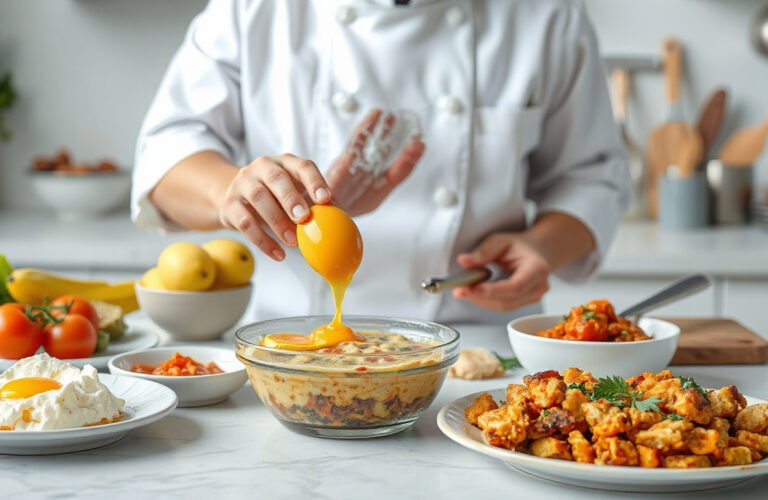
Eggs are a versatile ingredient fundamental to countless recipes, from baked goods to breakfast delights. However, the timing of when and how you add eggs can make a remarkable difference in texture, flavor, and overall success of your dishes. Understanding the right timing and method to incorporate eggs is key to mastering both simple and complex culinary creations.
Why Timing Matters When Adding Eggs
Eggs serve multiple roles in cooking: they bind ingredients, provide moisture, add richness, and help leaven baked goods to create lightness and fluffiness. Adding eggs at the right moment helps them fully integrate without curdling or disrupting the mixture’s consistency.
Adding Eggs One at a Time: What’s the Deal?
A common instruction in baking is to “add eggs one at a time until combined.” This technique is crucial for emulsification—where fats and liquids blend smoothly. Adding eggs gradually allows each egg to fully incorporate, preventing the mixture from splitting or curdling. Gradual addition helps:
- Maintain a stable batter or dough consistency
- Achieve a smooth texture, important for cakes and custards
- Enhance the rise and fluffiness in baked goods by evenly distributing moisture and fat
Conversely, dumping all eggs in at once can overwhelm the mixture, leading to separation or uneven texture.
The Importance of Temperature and Preparation
Not only is timing important, but the temperature of your eggs and other ingredients matters greatly. For example, cold eggs straight from the fridge can cause dough to seize or batter to become lumpy. Allowing eggs to warm to room temperature before adding can improve mixing and final texture.
The Art of Adding Eggs in Cooking Techniques

Boiling Eggs: Start with Cold Water for Perfect Results
When boiling eggs, many debate whether to add eggs directly to boiling water or begin with cold water. Starting eggs in cold water and gradually bringing it to a boil cooks them evenly and reduces cracking due to temperature shock. This slow rise in temperature helps set egg whites gently, preventing tough textures.
An additional tip for perfectly centered yolks involves stirring eggs gently in cold water as it heats, keeping the yolks suspended in the middle—a restaurant-quality touch.
Scrambled Eggs and Omelets
For fluffy scrambled eggs, crack eggs into a bowl and beat them immediately before cooking. Adding eggs too early or late in the cooking process can overcook or undercook portions, affecting texture. Pour beaten eggs into a preheated pan, gently stirring to achieve creamy curds.
Baking with Eggs
In cakes, cookies, or custards, the usual recommendation is to beat eggs separately before incorporating them gradually into the batter. This ensures evenly distributed moisture and fat, which creates lighter, more flavorful results.
Pro Tips for Mastering Egg Timing
- Room Temperature Eggs: Let eggs sit at room temperature for 10–20 minutes before baking or cooking.
- Add Eggs Gradually: Incorporate eggs slowly when mixing batters to achieve a stable emulsion.
- Beat Eggs Well: For recipes like cakes, beating eggs before adding helps improve volume.
- Consider Egg Freshness: Older eggs tend to peel better when boiled; fresher eggs are often best for poaching.
- Control Heat When Boiling: Use medium heat and slow temperature rise to avoid cracking shells.
Conclusion
Mastering the timing of when and how to add eggs elevates the quality of your dishes dramatically. Whether you’re boiling, scrambling, or baking, thoughtful incorporation of eggs at the right stage helps you achieve fluffy textures, rich flavors, and attractive presentations. With practice and attention to these details, you’ll transform everyday recipes into culinary delights every time.
By embracing these tips and techniques, you’ll take full advantage of eggs’ unique properties and become a more confident, skilled cook—one perfectly timed egg at a time.