Mandy Croft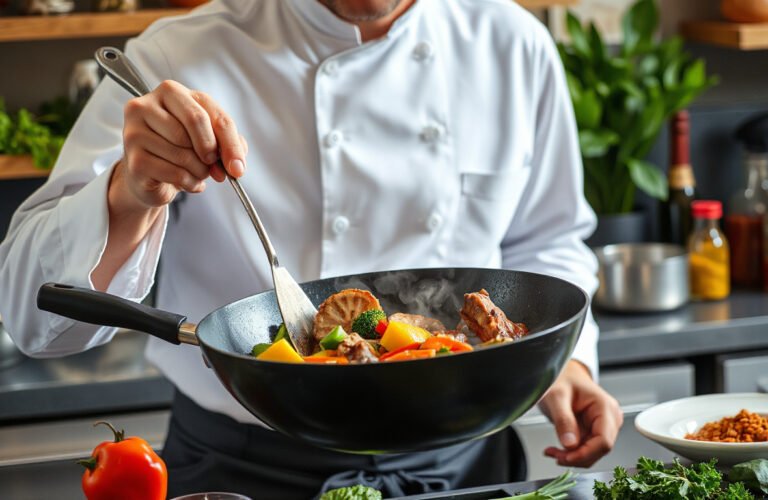
Stir-frying with a wok is a culinary technique celebrated for its speed, flavor, and vibrant texture. While many focus on ingredients and heat, one often overlooked yet crucial factor is the way you hold the wok – specifically, holding it at an angle. This simple adjustment can transform your cooking, helping you achieve that authentic wok hei (the "breath of the wok") flavor and perfectly cooked dishes every time.
Understanding the Importance of the Wok’s Angle
Unlike a flat pan, a traditional wok has sloped sides designed to maximize contact with heat while providing space for tossing and stirring. Holding the wok at an angle aligns with these design features and serves several essential functions:
-
Optimal Heat Distribution
Tilting the wok so that the bottom points slightly towards the heat source concentrates the highest heat at the wok’s base. This intense, direct heat is perfect for searing ingredients quickly, preserving texture and flavor. -
Enhanced Stir-Frying Control
Holding the wok at an angle allows you to push food up the cooler sloped sides to slow down cooking or prevent overcooking smaller or delicate bits, while the hotter base cooks more robust or denser items. This zoning enables better timing and balance in cooking heterogeneous ingredients. -
Facilitating Efficient Stirring and Tossing
An angled wok creates space to easily flip and toss ingredients using your spatula or by wrist movement. This keeps food moving rapidly and evenly, which is essential to preventing sticking and burning. -
Preserving Food Moisture and Texture
High heat at the base quickly sears the food, locking in juices, while the angled sides prevent overcrowding and steaming, keeping vegetables crisp and meat tender rather than soggy.

How to Hold the Wok at an Angle Effectively
- Grip: Hold the handle firmly with your dominant hand near the base of the handle for maximum control.
- Tilt: Position the wok so that the base rests above the heat, tilted away from you at approximately a 30 to 45-degree angle, depending on your heat source.
- Movement: Use your wrist, not your arm, to stir and toss ingredients. This wrist action combined with the wok’s angle facilitates fast, controlled motion.
- Ingredient Placement: Add ingredients in batches, placing them near the hottest point at the bottom initially, then moving them up the cooler sides as needed.
Additional Tips for Perfect Stir-Frying
- Preheat Properly: Allow your wok to heat up fully before adding oil or ingredients. A properly heated wok contributes to the signature smoky flavor.
- Cook Quickly and in Small Batches: Avoid overcrowding, which lowers the wok’s temperature and causes steaming instead of stir-frying.
- Use Oil with a High Smoke Point: Oils like peanut, vegetable, or canola oils are ideal for the high heat required in wok cooking.
- Prep Ingredients Uniformly: Chop vegetables and proteins into consistent sizes to ensure even cooking.
Conclusion
Grasping the proper technique of holding your wok at an angle is more than a physical posture—it’s a foundational skill that unlocks the full potential of stir-frying. By combining heat control, efficient stirring, and ingredient management through this method, you can recreate authentic, restaurant-quality dishes in your own kitchen. Next time you stir-fry, remember: the perfect dish begins with holding your wok just right.