Mandy Croft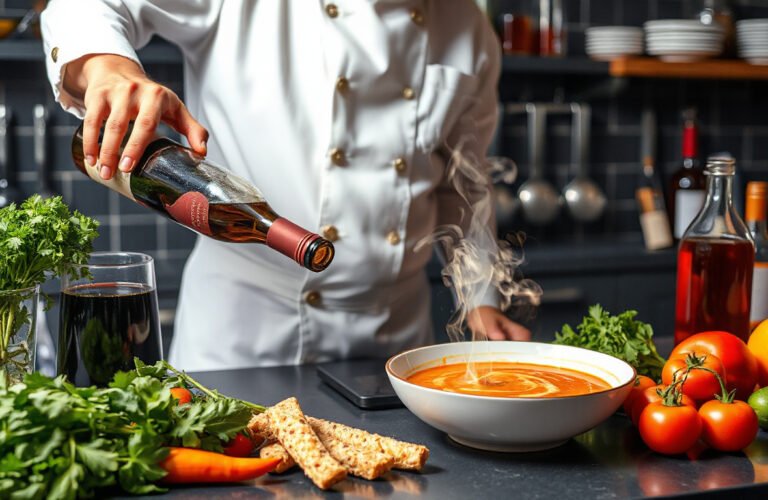
Deglazing is a fundamental cooking technique that can transform a simple dish into a flavor-packed masterpiece. Whether you choose wine or broth as your deglazing liquid, understanding how to properly use these ingredients can elevate your culinary creations by unlocking the caramelized goodness left behind in your pan. This article delves into the reasons for deglazing, compares deglazing with wine versus broth, and offers a step-by-step guide to mastering this essential technique.

What Is Deglazing?
Deglazing involves adding a liquid, such as wine or broth, to a hot pan after cooking proteins or vegetables. When food is cooked at high heat, small browned bits—called fond—stick to the bottom of the pan. These bits are packed with concentrated flavor. Pouring liquid into the pan loosens and dissolves the fond, allowing it to mix with the liquid to create the base for rich, complex sauces.
Originally a French cooking technique, deglazing is now a staple in kitchens worldwide because it transforms the residual caramelization—often discarded during cooking—into a delicious sauce that complements the main dish.
Why Use Wine or Broth for Deglazing?
Both wine and broth have distinct advantages as deglazing liquids:
-
Wine: Adds acidity, depth, and complexity to the sauce. Red wine generally pairs well with red meats, while white wine complements poultry and seafood. Wine’s acidic nature helps dissolve fond and imparts aromatic compounds that enhance sauces.
-
Broth (Stock): Contributes a rich, savory base full of umami without adding alcohol. It’s versatile, especially when you want to keep flavors straightforward or avoid the sometimes overpowering aroma of wine. Broth is excellent for lighter dishes or when cooking for guests who prefer no alcohol.
Some cooks also use alternatives like beer, vinegar, citrus juices, or vermouth, but wine and broth remain the most popular and accessible choices for most kitchens.
Wine or Broth: Which Should You Choose?
Choosing between wine or broth depends on your recipe, desired flavor profile, and the ingredients you are cooking.
-
Use Wine for:
- Recipes requiring bright acidity and aromatic complexity
- Red meats, game, and robust poultry dishes
- When you want a slightly tart or fruity undertone
- Creating pan sauces with a richer taste
-
Use Broth for:
- Recipes needing a hearty, savory flavor without alcohol
- Vegetable dishes, lighter poultry, or delicate seafood
- When you prefer a cleaner, less complex taste
- Adding umami and moisture without altering the core flavor drastically
Proper Technique for Deglazing with Wine or Broth
Step 1: Prepare After Cooking
After searing meat or vegetables, remove the food from the pan and pour off excess fat, leaving about 1 tablespoon to keep the flavor.
Step 2: Adjust Pan Temperature
Keep the pan over medium to medium-high heat, but avoid an extremely hot pan causing the wine’s delicate aromas to burn off prematurely. Lowering the heat slightly before adding wine is a good practice to preserve flavor.
Step 3: Pour the Liquid Carefully
Add your chosen liquid—about ½ to 1 cup, enough to cover the pan surface partially. When adding wine, pour it in at room temperature rather than ice-cold to avoid shocking the pan and losing nuances in flavor.
Step 4: Scrape Up the Fond
Using a wooden spoon or spatula, gently scrape the browned bits from the pan’s bottom. These caramelized particles dissolve into the liquid, creating the base for your sauce.
Step 5: Reduce for Concentration
Allow the liquid to simmer and reduce by about half. This concentrates the flavors and helps cook off the raw alcohol taste if using wine. Reduction time varies but typically takes 3 to 5 minutes.
Step 6: Optional Enhancements
- Add aromatics such as minced garlic, shallots, or fresh herbs early in the process for added flavor.
- Finish the sauce by whisking in a pat of cold butter off the heat (a classic French technique called monter au beurre) or cream for richness.
- Thicken if desired with a slurry of flour or cornstarch.
Step 7: Season and Serve
Taste the sauce and adjust seasoning with salt and pepper. Pour over your protein, vegetables, or starch of choice.
Tips and Considerations
-
Avoid Pouring Cold Wine into a Smoking Hot Pan: Sudden temperature changes can cause the wine to lose flavor and can damage your pan’s seasoning (especially cast iron) or warp it.
-
Choose the Right Pan: Stainless steel and cast iron skillets are ideal for deglazing because they promote fond development. Nonstick pans are less suited as the brown bits don’t stick well.
-
Avoid Using Butter as the Primary Deglazing Liquid: Butter’s fat content impedes fond dissolution. Instead, use wine or broth first, then whisk in butter at the end.
-
Simmer Longer to Cook Off Alcohol: When deglazing with wine, simmer the sauce to evaporate the alcohol and avoid harsh, raw notes.
-
Use Hot Broth or Water: If using broth or even water, make sure it’s hot or warm to maintain pan temperature and prevent warping or cooling the cooking surface excessively.
Conclusion
Mastering the art of deglazing with wine or broth opens a world of depth and complexity to your home-cooked meals. Whether you seek the acidity and aromatic intensity of wine or the savory richness of broth, the key lies in proper technique: starting with a well-browned pan, scraping up the fond, and reducing the liquid to build a luscious, flavorful sauce. With practice, deglazing becomes an easy and impressive way to unlock the full potential of your dishes and make each bite truly memorable.