Mandy Croft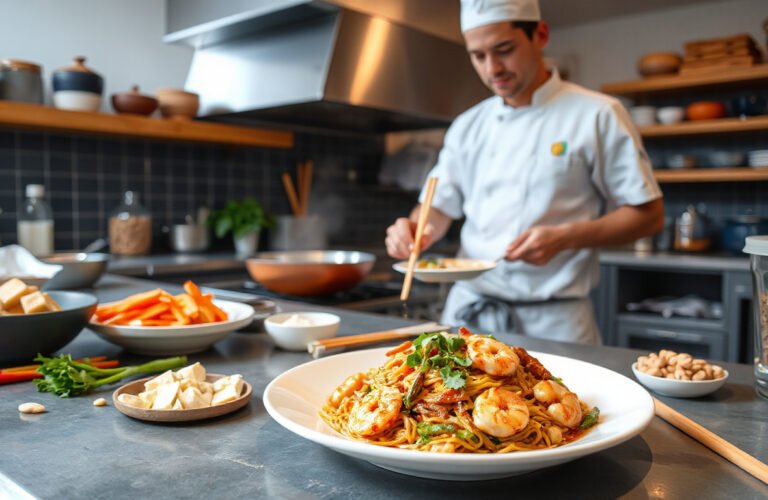
Pad Thai is arguably one of the most iconic dishes representing the vibrant flavors of Thai cuisine. This savory and tangy noodle stir-fry combines a medley of textures and tastes that make it a favorite worldwide. Whether enjoyed as street food in Bangkok or at a fine dining Thai restaurant, Pad Thai’s unique blend of ingredients and flavors is unmistakable. This comprehensive guide will explore the history, essential elements, and a detailed step-by-step method to create authentic Pad Thai in your own kitchen.
What is Pad Thai?
Pad Thai (ผัดไทย) is a traditional Thai stir-fried noodle dish featuring rice noodles, egg, a distinctive sauce based on tamarind, fish sauce, and typically a protein such as shrimp, chicken, or tofu. It is garnished with roasted peanuts, bean sprouts, lime wedges, and sometimes chili powder or fresh herbs like cilantro.
The dish is known for balancing four key flavors: sweet, sour, salty, and spicy. Its wide appeal stems from this harmonious flavor profile, making it a versatile and beloved meal.
Origins of Pad Thai
Although considered a national dish of Thailand today, Pad Thai’s origin is relatively modern. It was popularized during the mid-20th century, under the regime of Prime Minister Plaek Phibunsonggram (Phibun), who sought to bolster Thai nationalism and promote a unified Thai identity through food. At that time, rice shortages during World War II led to increased use of rice noodles, a cheaper and filling alternative. Pad Thai, as a stir-fried noodle dish influenced by Chinese cuisine, was developed into a flavorful dish representing Thai culinary culture and has since evolved into an international favorite.
Essential Ingredients
Successful Pad Thai depends on the proper balance and freshness of its ingredients. Here are the key components you will need:
- Rice Noodles: Thin, flat rice noodles (about 2-3 mm wide), soaked until just tender.
- Protein: Shrimp (prawns), chicken, or firm tofu are most commonly used.
- Eggs: Lightly scrambled into the stir-fry.
- Vegetables: Fresh bean sprouts and garlic chives add crunch and aroma.
- Sauces:
- Tamarind Paste: Provides the signature tangy sourness.
- Fish Sauce: Adds umami and saltiness.
- Oyster Sauce (optional): Deepens flavor complexity.
- Soy Sauce (sometimes used to adjust saltiness)
- Sweetener: Brown sugar or palm sugar balances acidity.
- Aromatics: Fresh garlic and sometimes onions.
- Garnishes:
- Roasted crushed peanuts.
- Lime wedges for squeezing over the dish.
- Ground chili or chili powder for heat.
- Fresh cilantro (optional).
Step-by-Step Guide to Making Traditional Pad Thai

Preparation
-
Soak the Rice Noodles
Place the rice noodles in a large bowl and cover with hot water. Soak for about 5-15 minutes (varies by brand) until just softened but still firm to the bite. Drain and rinse with cold water to stop cooking. -
Prepare the Sauce
In a small bowl, mix together:- 1½ tablespoons tamarind paste
- 3 tablespoons brown sugar (or palm sugar)
- 2 tablespoons fish sauce
- 1½ tablespoons oyster sauce (optional)
Stir until the sugar dissolves. Adjust to taste if needed.
-
Toast the Peanuts
In a dry pan, toast about 30 grams of raw peanuts over medium heat, stirring frequently until golden and fragrant. Set aside for garnish.
Cooking
-
Heat the Wok or Large Pan
Heat 2 tablespoons of vegetable oil over high heat. -
Sauté Aromatics
Add chopped garlic (and sliced onions if using) to the hot oil. Stir-fry for about 30 seconds until aromatic but not burnt. -
Cook Protein
Add sliced chicken, prawns, or tofu. Stir-fry for 1–2 minutes until nearly cooked. Remove and set aside, leaving some oil in the pan. -
Scramble the Eggs
Push ingredients to one side of the pan. Pour whisked eggs into the cleared side, letting them set slightly. Scramble gently, then mix the eggs with the protein and aromatics. -
Add Noodles and Sauce
Add the soaked noodles and pour over the sauce mixture. Toss vigorously to coat the noodles evenly, cooking for 1–2 minutes. Add a splash of water if the mixture seems dry to help noodles cook through. -
Incorporate Vegetables
Add bean sprouts and chopped garlic chives. Toss gently to combine, cooking just long enough to warm the sprouts while retaining their crunch.
Serving
- Plate and Garnish
Serve hot with a generous sprinkle of crushed toasted peanuts on top, lime wedges on the side, and chili powder for those who enjoy heat. A squeeze of fresh lime juice before eating brightens the flavors.
Tips for the Perfect Pad Thai
- Noodles: Use quality rice noodles and avoid over-soaking to prevent mushy texture.
- Sauce Balance: Taste your Pad Thai sauce beforehand. It should be a harmonious blend—tart from tamarind, sweet from sugar, and salty from fish sauce.
- High Heat Cooking: Stir-frying over high heat is essential to impart a slight char and meld flavors quickly.
- Freshness: Use fresh bean sprouts and herbs for the best texture and flavor.
- Protein Variations: Customize with shrimp, chicken, tofu, or even pork depending on preference.
- Peanuts: Freshly toasted peanuts add essential crunch and nuttiness; avoid pre-ground or stale nuts.
Conclusion
Mastering Pad Thai is well within reach for any home cook. By understanding the dish’s history and flavors, carefully selecting your ingredients, and following a precise cooking method, you can create an authentic and delightful meal that rivals your favorite Thai restaurant. This iconic dish offers a wonderful culinary adventure that’s as rich in culture as it is in flavor — enjoy your homemade Pad Thai!
Quick Reference: Essential Pad Thai Ingredients (for 2 servings)
- 200 g rice noodles
- 5 medium prawns/shrimp or 100 g chicken, thinly sliced
- 1 egg
- 70 g firm tofu, cubed (optional)
- 70 g fresh bean sprouts
- 2 tbsp tamarind paste
- 2 tbsp fish sauce
- 2 tbsp brown sugar/palm sugar
- 1½ tbsp oyster sauce (optional)
- 2 tbsp vegetable oil
- 1 clove garlic, finely chopped
- 30 g roasted peanuts
- Lime wedges, chili powder, fresh garlic chives (to garnish)
Ready your wok and bring the essence of Thailand into your kitchen tonight with this delicious homemade Pad Thai!