Mandy Croft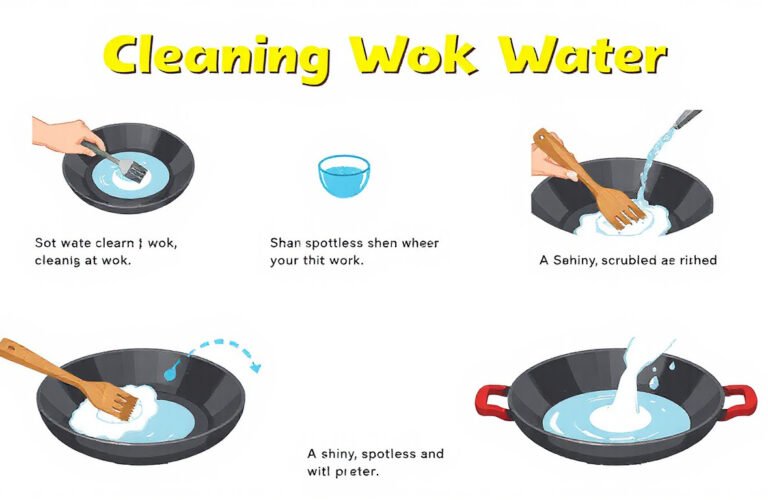
Cleaning a wok properly not only ensures impeccable cooking results but also extends the lifespan of this essential kitchen tool. Among the many cleaning methods, using hot water stands out as a simple yet effective way to maintain your wok’s surface. In this guide, we will explore the best practices for cleaning your wok with hot water, focusing mostly on carbon steel woks, the favored choice among home cooks and professionals alike.

Why Clean Your Wok with Hot Water?
Hot water is effective in loosening grease, softening food particles, and making it easier to remove stuck-on residue without damaging the seasoning on your wok. For carbon steel woks, which develop a natural non-stick patina over time, hot water is gentle enough to clean without stripping away this valuable seasoning layer.
Step-by-Step Method for Cleaning Your Wok with Hot Water
1. Cool Your Wok Slightly After Cooking
Immediately after cooking, it’s best to let the wok cool down slightly to a temperature where you can handle it safely. Washing a warm wok (not piping hot) helps because grease and food residues are still soft and easier to clean.
2. Scrape Off Excess Food Residue
Before washing, use a metal spatula or wooden scraper to gently remove thick bits or stubborn crusts. This prevents your scrubber from clogging and ensures a more thorough clean.
3. Rinse and Scrub with Hot Water
Use hot tap water, preferably steaming, to rinse the wok thoroughly. With a bamboo brush or a non-abrasive scrub sponge, scrub the wok in circular motions to remove any remaining food debris. If the wok is lightly greasy, hot water alone is often enough.
If the wok is heavily greased or has cooked meat or thick sauces, a small amount of mild dish soap can be added. However, avoid harsh detergents, as excessive soap can degrade the seasoning.
4. Rinse Again Thoroughly
Make sure to rinse off all soap or residue completely using hot water. Tilt the wok to pour out standing water and give it a quick shake to remove any droplets.
5. Dry Your Wok Completely
This is a critical step to prevent rust. Use a clean towel to dry off excess water, then heat the wok on the stove over medium heat until all moisture evaporates. Heating ensures the wok is entirely dry, including the underside.
6. Apply a Thin Layer of Oil (Optional but Recommended)
After drying, lightly oil your wok with a teaspoon of vegetable oil or another high smoke point oil. Spread it evenly with a paper towel across the entire cooking surface. This protects the metal from moisture and encourages the build-up of a durable patina.
Key Tips for Maintaining Your Wok with Hot Water Cleaning
- Clean your wok immediately after use: Avoid letting food sit in the wok for extended periods, especially acidic ingredients like tomato or vinegar, which can cause rust and degrade seasoning.
- Do not soak your wok: Leaving a wok submerged overnight can lead to rust formation.
- Never use a dishwasher: Dishwashers can strip away the seasoning and promote rust.
- Use the right scrubbers: Bamboo brushes or soft sponges are ideal; avoid steel wool or harsh steel scrubbers that can damage the wok.
- Heat before and after washing: Warming the wok before washing helps soften residues. Heating it after drying prevents rust.
Common Misconceptions About Cleaning a Wok
- You must always use soap: While soap can be useful for removing heavy grease, often hot water alone suffices for light stir-fries and vegetable dishes.
- Scrubbing will ruin your patina: Gentle scrubbing with appropriate tools actually helps maintain a smooth surface free of stuck debris. Just avoid aggressive abrasives.
- A shiny wok is the goal: The goal is a smooth, residue-free surface, not necessarily a polished shine. Some discoloration indicates developing seasoning and is normal.
Troubleshooting: Addressing Rust and Stickiness
If your wok develops rust despite proper washing, it usually results from leftover moisture. Rescue it by scrubbing off rust with an abrasive pad, then re-seasoning the wok thoroughly with oil and heat. Avoid letting the wok sit wet, and keep it dry when stored.
If food sticks excessively, it might be time to further build your seasoning by oiling and heating the wok more consistently after each use.
Conclusion
Cleaning your wok with hot water is a simple and effective way to keep it in prime cooking condition. The key is prompt cleaning followed by thorough drying and occasional oiling. With these habits, your carbon steel wok will deliver authentic wok hei flavors and a long, rust-free life.
By adopting these techniques, you ensure your wok remains a trusted kitchen companion, ready for countless delicious stir-fries and beyond.
Happy cooking and happy cleaning!