Mandy Croft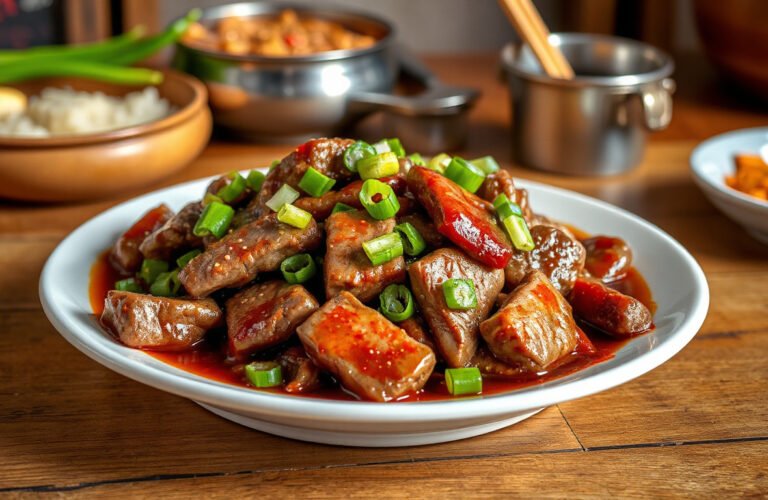
Mongolian beef is a beloved dish that graces the menus of Chinese-American restaurants and home kitchens alike. Despite its misleading name, this popular stir-fry does not come from Mongolia, but rather originates from a creative fusion of Chinese-American culinary traditions. Its irresistible combination of crispy beef coated in a sweet and savory sauce makes Mongolian beef a crowd-pleaser that’s surprisingly easy to recreate at home. In this guide, we’ll explore the origins, ingredients, cooking techniques, and tips to master the art of Mongolian beef for an unforgettable meal.
Origins and Flavor Profile
Contrary to what one might think, Mongolian beef is not a traditional Mongolian recipe. In Mongolia, meat is typically boiled and served plainly with dipping sauces, rather than stir-fried. The dish probably originated from Chinese-American chefs adapting familiar stir-fry styles and was given the “Mongolian” name primarily for marketing and intrigue.
Mongolian beef features thin slices of beef quickly cooked and coated in a glossy, sticky sauce that balances sweet, salty, and aromatic flavors. While versions vary from restaurant to restaurant, a typical sauce features soy sauce, brown sugar, garlic, and ginger, often with a hint of savory cooking wine like Shaoxing or dry sherry. This results in tender beef with a crispy exterior enveloped in a rich, caramelized sauce.
Essential Ingredients
To achieve authentic flavors and textures, the following ingredients are key:
- Beef: Flank steak, sirloin, rump, or scotch fillet, thinly sliced against the grain for tenderness.
- Marinade: Soy sauce, Shaoxing wine (or dry sherry), cornstarch, water, and sometimes baking soda to tenderize the meat.
- Cornstarch: To coat beef pieces, creating a crispy crust when fried.
- Oil: Neutral oils like vegetable, canola, or avocado oil for frying.
- Sauce: A blend of light and dark soy sauce, brown sugar, garlic, ginger, water or chicken broth, and optionally chili flakes for heat.
- Aromatics: Fresh garlic, ginger, and scallions, which add depth and freshness.

Step-by-Step Preparation
1. Marinate the Beef
Combine sliced beef with soy sauce, cooking wine, cornstarch, water, and baking soda. Marinate for at least 30 minutes to 1 hour. This step tenderizes the meat and adds flavor.
2. Prepare the Sauce
Mix brown sugar with hot water or broth until dissolved, then stir in soy sauces and optionally some dark soy for color. Set aside.
3. Dredge and Fry
Coat the marinated beef slices in cornstarch. Heat oil in a wok or deep skillet until nearly smoking, and fry the beef in batches to maintain high heat and crispiness. The goal is a golden, crispy crust that locks flavor inside.
4. Sauté Aromatics and Simmer Sauce
Remove excess oil, leaving a tablespoon in the wok. Sauté ginger, garlic, and chili until fragrant. Add the prepared sauce, simmer until it thickens, then stir in a cornstarch slurry to achieve a glossy, clingy finish.
5. Combine and Finish
Return beef to the wok, toss with the sauce and scallions until the green parts just wilt. The beef should be evenly coated, with minimal liquid remaining.
6. Serve
Traditionally, Mongolian beef is enjoyed hot over steamed white rice or alongside steamed vegetables like bok choy or broccoli.
Tips for Success
- Cut Beef Against the Grain: This shortens muscle fibers, making each bite tender.
- Cook in Batches: Avoid overcrowding the pan to ensure the beef fries rather than steams.
- Control Sweetness: Adjust sugar levels to taste—some prefer less sweet than typical restaurant versions.
- Use Cornstarch Liberally: It’s crucial for achieving beef that crisps well and for thickening the sauce.
- Oil Amounts: Deep or shallow frying can be used. Deep frying yields even crispiness, but requires more oil. Shallow frying works with frequent tossing but may yield slight unevenness.
- Marinate Time: While 10-15 minutes can work, longer marination (up to 1 hour) enhances tenderness and flavor.
Variations and Serving Suggestions
Mongolian beef is versatile. Some like to spice it up with dried chili peppers for a kick; others add colorful vegetables like red bell peppers for freshness and crunch. Although traditionally paired with rice, it also works well with noodles or even wrapped in lettuce for a lighter meal option.
Nutritional Insights
A typical serving of Mongolian beef offers a balanced profile of protein and carbohydrates, but it can also be moderate to high in sodium and sugar due to soy sauce and sugar content. Moderation and fresh ingredients can keep it wholesome and satisfying.
Mastering Mongolian beef at home means embracing the art of balancing sweet and savory, crisp and tender, quick cooking techniques, and quality ingredients. Whether you prefer a less sweet, lighter version or the sticky, crispy richness found in popular restaurant chains, this dish makes an excellent centerpiece for a satisfying meal. So, gather your ingredients, heat your wok, and prepare to delight your taste buds with this iconic stir-fry classic. Serve it hot with steamed rice and savor every bite of your homemade Mongolian beef feast!