Mandy Croft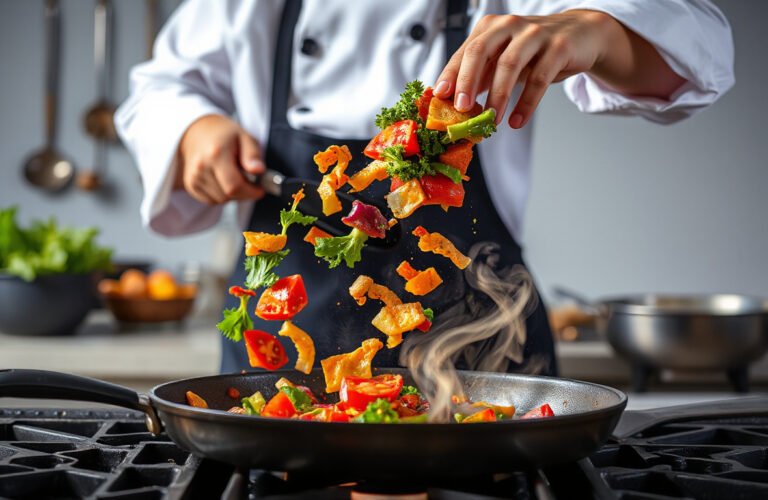
In the culinary world, maintaining dynamic movement of ingredients during cooking is a fundamental strategy to achieve dishes bursting with flavor and ideal texture. Whether you’re sautéing vegetables, simmering a sauce, or preparing a complex stew, keeping ingredients in motion helps ensure even cooking, thorough flavor integration, and prevents unwanted sticking or burning. Let’s explore five essential tips to help home cooks master the art of keeping ingredients moving and elevate their cooking game.

1. Understand the Role of Movement in Cooking
Movement of ingredients goes beyond simply stirring a pot. It is a purposeful technique employed to regulate heat distribution, encourage flavor mingling, and maintain texture integrity. Without regular motion, ingredients at the bottom can overcook while others remain underdone. For example, continuously stirring a risotto allows the rice to release its starch evenly, creating a creamy consistency without clumping.
Why keep ingredients moving?
- Prevents burning and sticking, especially in delicate or high-heat dishes.
- Distributes heat uniformly for consistent cooking.
- Allows flavors from herbs, spices, and aromatics to blend seamlessly.
- Maintains ingredient texture, avoiding mushiness or uneven doneness.
2. Use the Right Tools to Facilitate Movement
Selecting appropriate kitchen tools is vital for effectively moving ingredients during cooking. Wooden spoons, silicone spatulas, tongs, and woks are among the staples that help transfer or gently agitate food without damaging delicate components.
- Wooden or silicone spoons: Great for stirring soups, sauces, or mixed dishes and gentle enough to prevent scratching pans.
- Tongs: Useful for flipping or tossing larger pieces, such as stir-fry vegetables or meat.
- Woks or wide sauté pans: Their shape facilitates tossing and rapid movement, ideal for stir-fries where continuous motion cooks ingredients evenly and quickly.
Invest in tools that feel comfortable and allow controlled, efficient movement suited to the dish’s requirements.
3. Master the Techniques—Stirring, Tossing, and Folding
Different dishes call for specific movement methods to maintain ingredient quality:
- Stirring: Constant gentle movement with a spoon or spatula is perfect for sauces, risottos, and custards where gradual, uniform cooking is key.
- Tossing: Especially common in stir-frying or salad preparation, tossing involves lifting and turning ingredients quickly to coat or cook evenly, often using a pan or by hand.
- Folding: Gently integrating lighter or fragile ingredients (like beaten egg whites or delicate herbs) by folding helps retain airiness and texture.
Correct technique minimizes ingredient damage and maximizes flavor absorption.
4. Regulate Heat and Movement Together
Cooking is a dynamic process where heat application and stirring go hand in hand. Keep these tips in mind:
- When cooking on high heat (e.g., for stir-frying), brisk, continuous movement prevents burning while sealing in flavors.
- For gentle simmering or slow cooking, more measured stirring intervals help meld flavors without disrupting delicate ingredients.
- Adjust speed and firmness of movement based on ingredient size and fragility — robust vegetables tolerate vigorous tossing, but soft fruits or herbs require gentle folding.
By syncing heat and movement, you maintain ingredient integrity and boost the dish’s overall quality.
5. Keep Ingredients Fresh and Organized Before Cooking
A lesser-known but crucial “movement” step begins well before cooking: maintaining an organized and well-stocked kitchen where ingredients are ready to be used. This approach prevents last-minute scrambling or improvisation that can disrupt cooking flow.
- Regularly organize and rotate pantry and fridge items to prevent spoilage and ensure key ingredients like spices, thickening agents (e.g., cornstarch), and oils are on hand.
- Prepare mise en place—pre-measure, chop, and arrange ingredients for smooth, uninterrupted cooking.
- Store spices and perishable items securely to preserve freshness; this also facilitates easy access and efficient ingredient movement during cooking.
Keeping ingredients moving is as much about kitchen management as it is about the physical act of stirring or tossing.
Final Thoughts
Mastering the art of keeping ingredients moving unlocks the full potential of your cooking. It transforms raw components into harmonized dishes with vibrant flavors and delightful textures. By understanding the why and how behind movement, using the right tools, refining your techniques, balancing heat, and maintaining kitchen readiness, you’re setting yourself up for consistent cooking success.
Embrace these five essential tips, and watch your meals transform into perfectly cooked, flavor-packed masterpieces every time. Happy cooking!