Mandy Croft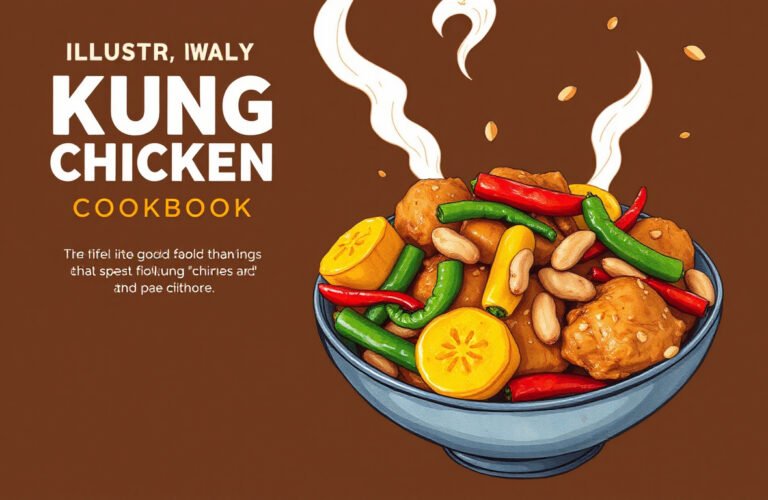
Kung Pao Chicken is a beloved Chinese dish that delivers a harmonious blend of sweet, sour, and savory flavors with a distinctive spicy kick. This iconic recipe traces its origins to Sichuan province and has since become an international favorite, often found on Chinese takeout menus worldwide.

In this article, we explore the essence, history, ingredients, and cooking techniques that define Kung Pao Chicken, along with tips to master this flavorful dish in your own kitchen.
Origins and Authenticity of Kung Pao Chicken
Kung Pao Chicken, or "Gōng Bǎo Jī Dīng" (宫保鸡丁) in Mandarin, is named after Ding Baozhen, a Qing dynasty official whose title was "Gongbao." The dish initially emerged as a dry stir-fry, characterized by tender chunks of chicken, roasted peanuts, dried chili peppers, and the unique numb-spicy flavor imparted by Sichuan peppercorns.
Outside China, versions of Kung Pao Chicken often feature a wetter sauce with a glossy coating, catering to Western preferences. While this adaptation is delicious and convenient, the authentic Sichuan version is a drier stir-fry, emphasizing bold, concentrated flavors where a small amount of intensely flavored sauce suffices to complement rice perfectly.
Key Ingredients and Their Roles
The magic of Kung Pao Chicken lies in the careful balance of its components, each contributing distinct taste and texture layers.
1. Chicken
- Cut and choice: Traditionally, boneless chicken thigh is preferred for its juiciness and tenderness. Chicken breast can be used but may require "velveting" (a Chinese technique using baking soda or cornstarch to tenderize) to keep the meat moist.
2. Sichuan Peppercorns
- Flavor profile: Not a traditional chili pepper, Sichuan peppercorns provide a unique lemony aroma and a numbing, tingling sensation on the palate, differentiating Kung Pao from other spicy dishes.
- Use: Ground Sichuan peppercorns are often preferred for convenience and smooth texture, though whole peppercorns deliver a deeper flavor.
- Substitute: White pepper can be used if Sichuan peppercorns aren’t available, though it lacks the signature numbing effect.
3. Dried Chili Peppers
- These add heat and flavor depth rather than overwhelming spiciness. Removing most seeds controls the intensity.
- If the heat isn’t desired, use the whole dried chilies for flavor and remove them before serving.
4. Chinese Black Vinegar
- This vinegar looks similar to balsamic vinegar and brings a mild sweetness and tang to the sauce.
- If unavailable, rice wine vinegar, white vinegar, or mild balsamic vinegar are good alternatives.
- Avoid Taiwanese black vinegar, which has a notably different flavor that can alter the dish.
5. Soy Sauce (Light and Dark)
- Light soy sauce provides saltiness and color.
- Dark soy sauce gives a richer color and deeper umami flavor, mainly used to darken the sauce’s appearance.
6. Sugar
- Balances the sour and savory elements to create a harmonious sweet-sour-salty sauce.
7. Cornstarch or Cornflour
- Used to thicken the sauce to a glossy, syrupy consistency that clings to chicken pieces.
8. Peanuts or Cashews
- Roasted, unsalted peanuts are classic, adding crunch and nuttiness.
- Cashews are a popular substitute, often found in Americanized recipes.
9. Aromatics (Garlic, Ginger, Green Onions)
- Essential for layering savory, spicy, and fragrant notes.
Making Kung Pao Chicken: Step-by-Step Guide
-
Marinate the Chicken (optional but recommended for authentic texture)
- Combine light soy sauce and cornstarch, then toss chicken pieces in this mixture.
- Let rest for 10-20 minutes.
-
Prepare the Sauce
- Mix soy sauces, black vinegar, sugar, cooking wine, sesame oil, and water.
- Cornstarch is added to part of this mixture to aid in thickening later.
-
Stir-Fry Aromatics
- Heat oil in a wok or large skillet on high heat.
- Add dried chilies, garlic, ginger, and white parts of green onions; stir quickly until fragrant (about 30 seconds).
-
Cook the Chicken
- Add marinated chicken pieces, stir-fry until the chicken is cooked through and lightly browned.
-
Add Sauce and Sichuan Peppercorns
- Pour sauce and ground Sichuan peppercorns into the wok.
- Stir constantly to reduce the sauce to a thick, syrupy glaze coating the chicken evenly.
-
Finish and Serve
- Toss in peanuts and green parts of the green onions.
- Adjust spice levels with extra Sichuan pepper if desired.
- Serve immediately over steamed white or brown rice, or with cauliflower rice for a low-carb option.
Tips for Perfecting Kung Pao Chicken
- Avoid over-saucing: Since the sauce is intensely flavored, use it sparingly and allow it to reduce, creating depth and concentration.
- Control heat: Adjust the number of dried chilies and Sichuan peppercorns according to your tolerance.
- Cook in batches: To prevent steaming and ensure the chicken develops a slight crispness, cook in small batches if necessary.
- Ingredient substitutions: Use readily available vinegar and pepper varieties without compromising much on flavor; arrowroot powder can substitute cornstarch (use double the quantity).
- Add veggies: For extra nutrition and texture, include bell peppers, water chestnuts, or celery.
Variations and Serving Suggestions
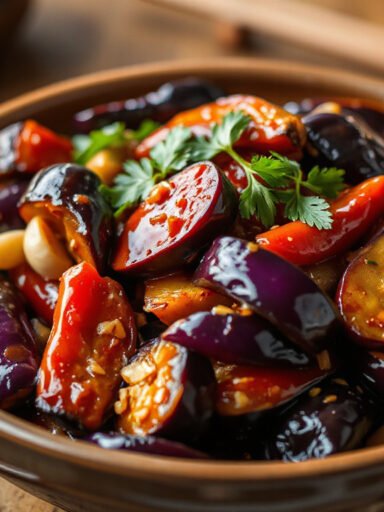
- Vegetarian alternatives include Kung Pao Mushrooms or Tofu.
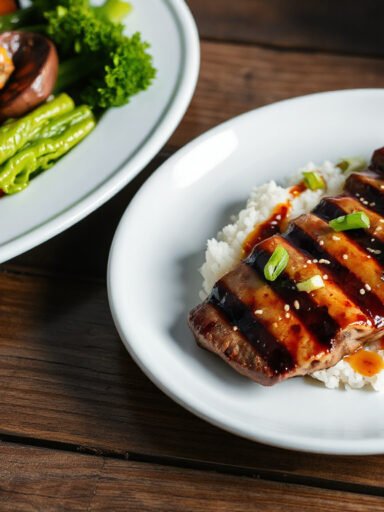
- Serve with classic Chinese sides like dry-fried green beans, baby bok choy, or hot and sour cabbage.
- For a deluxe touch, add cashews instead of peanuts.
Storage and Reheating
- Store leftovers in the refrigerator for up to 3 days.
- Reheat gently in a skillet over medium heat, adding a splash of water if the sauce thickens too much.
- Kung Pao Chicken freezes well for up to 3 months; thaw overnight in the refrigerator before reheating.
Conclusion
Kung Pao Chicken exemplifies the brilliance of Sichuan cuisine — a perfect interplay of umami, spicy heat, and balance between sweet and sour. With its bold flavors and straightforward preparation, this dish is approachable for cooks of all levels. Mastering Kung Pao Chicken at home allows you to customize heat levels, ingredient choices, and freshness, making every bite as satisfying as your favorite Chinese restaurant takeout.
Embark on this flavorful journey, and bring a classic Chinese culinary treasure to your table tonight!