Mandy Croft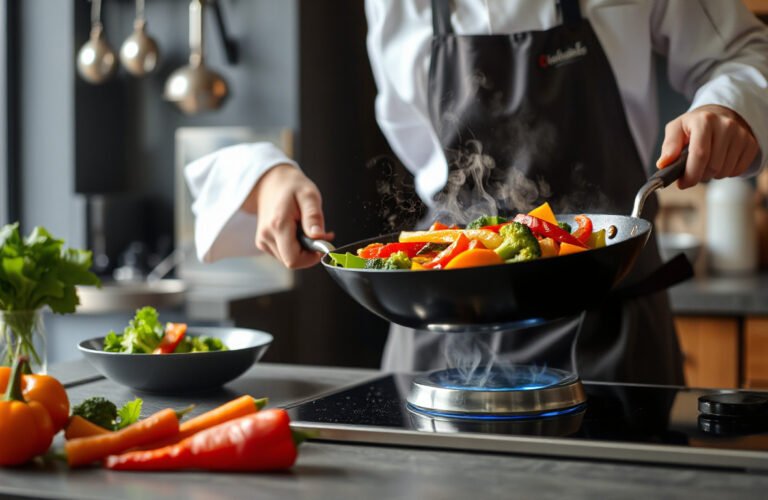
Want to make restaurant-quality stir-fry at home? The secret to perfect crispiness and authentic wok hei (that delicious, smoky charred aroma) is simpler than you think.
The single most important rule is cooking in small batches.
When you crowd the pan, your meat and veggies steam instead of sear. By cooking less at once, you lock in vibrant flavors and achieve that coveted restaurant texture.
## Why Small Batches Matter
* Maximum heat retention: Keeps your wok piping hot.
* No more soggy veggies: Prevents moisture from trapping and steaming your food.
* Even cooking: Allows every ingredient to hit the hot surface directly.
* Deep flavor development: Creates the perfect char in seconds.
Why Cook Stir-Fry in Small Batches?
1. Retain High Heat and Achieve “Wok Hei”
The essence of great stir-fry comes from cooking ingredients quickly over very high heat. When too many ingredients are added at once, the temperature of the wok drops drastically. Woks are designed for intense heat conduction, but overcrowding causes a heat sink effect that slows the cooking process and leads to steaming rather than searing.
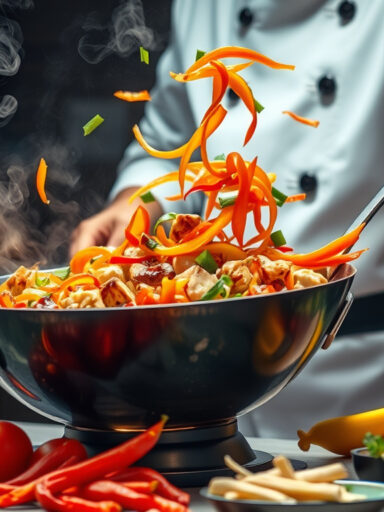
Cooking in small batches allows your wok to maintain the necessary temperature, fostering rapid evaporation of moisture, and promoting caramelization and slight charring. This creates the prized “wok hei” flavor: that “breath of the wok,” a delicious smoky, slightly charred essence that adds depth and authenticity.
2. Prevent Overcrowding and Stewing
Overcrowding also means ingredients steam in their own juices rather than frying. This results in limp vegetables and rubbery proteins, ruining the signature crisp-tender texture of stir-fried dishes.
A general rule is to fill the wok no more than one-third full. When flattened against the wok bottom, ingredients should be no higher than halfway up the side of the wok. This allows each piece enough space to contact the wok surface directly and cook evenly without crowding.
3. Better Control Over Cooking Times and Texture
Different ingredients have different cooking times. Vegetables like broccoli or carrots require slightly longer than quick-cooking bean sprouts or leafy greens. Cooking in small batches lets you tailor the timing for each batch to achieve an ideal doneness without overcooking other components.
This method also helps control the Maillard reaction, ensuring your proteins get a beautifully browned exterior without stewing or drying out.
How to Implement Small Batch Stir-Frying

Mise en Place: Preparation is Key
Prior to cooking, prepare and measure out all ingredients because the process moves quickly and requires full attention. Organize proteins, vegetables, sauces, and aromatics separately so you can add them without pause.
Preheat Your Wok Thoroughly
Heat your wok until it just starts to smoke lightly. This signals it is hot enough to instantly sear ingredients. It’s crucial to add oil only once the wok is hot so it doesn’t degrade or smoke excessively.
Divide Ingredients Into Multiple Portions
Instead of throwing all your vegetables and meat in at once, divide them into manageable portions roughly equal in size. Stir-fry the protein first in one batch until seared, then remove it. Follow with aromatics and vegetables in subsequent batches, quickly tossing to cook evenly. Finally, combine all batches, return protein to the wok, and stir in your sauce to finish.
Use High Smoke Point Oils
Select cooking oils with high smoke points such as avocado oil, canola oil, or light refined olive oil. These oils withstand the intense heat needed for stir-frying without burning, which keeps flavors clean.
Cook Proteins Separately and Return at the End
Start by marinating your meat briefly. Then sear it in small batches to develop a caramelized crust without overcrowding. Remove once cooked to avoid toughening. Return the meat at the end to heat through and marry with the aromatics and sauce.
Additional Tips for Perfect Stir-Fry
- Cut ingredients uniformly: Julienne or slice vegetables and proteins into similar-sized pieces for even cooking.
- Par-cook dense vegetables: Blanch or dry-fry hard veggies like broccoli or carrots beforehand to ensure they are both tender and crisp.
- Layer flavors thoughtfully: Start with aromatics such as garlic, ginger, and scallions to build an aromatic base before adding vegetables.
- Add sauce at the end: Prepare your sauce with cornstarch slurry to thicken quickly when added. Pour it around the edges of the wok to warm gradually.
- Serve immediately: Stir-fries are best when freshly cooked to retain their vibrant texture.
Conclusion
Mastering stir-frying requires attention to heat, timing, and ingredient handling. Cooking in small batches is the cornerstone of successful stir-fries, making it possible to maintain a high wok temperature, avoid steaming ingredients, and develop irresistible “wok hei” flavors.
By organizing ingredients in advance, heating your wok to the right temperature, using suitable oils, and managing your batches thoughtfully, you can elevate your home cooking to create crisp, flavorful stir-fried dishes every time. Embrace this approach to unlock the full potential of one of the world’s most dynamic and delicious cooking techniques.
Happy stir-frying!