Mandy Croft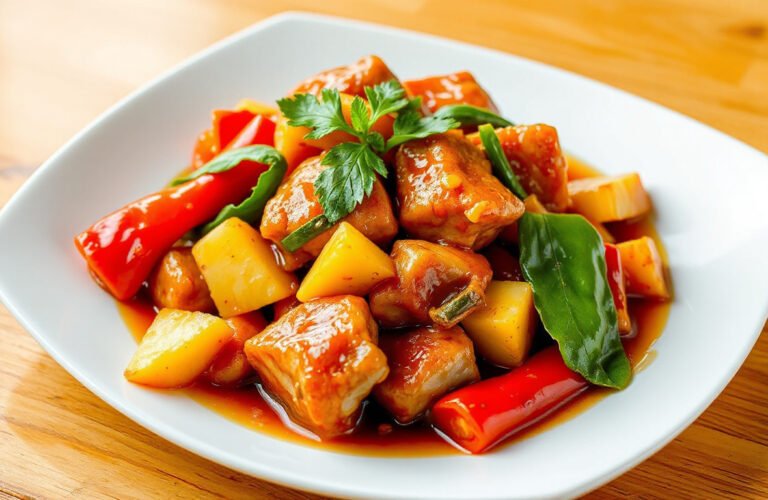
Sweet and sour pork is a beloved classic in Chinese cuisine, cherished worldwide for its perfect balance of tangy, sweet, and savory flavors combined with crispy, tender pork. Whether you are craving a restaurant-quality dish you can make at home or seeking to understand the secrets of authentic Chinese cooking, this guide offers a comprehensive approach to crafting the perfect sweet and sour pork.

What Is Sweet and Sour Pork?
Sweet and sour pork is traditionally made with bite-sized pieces of pork that are battered, fried to golden crispiness, and then coated in a luscious sauce combining sweetness and acidity. The dish usually features vibrant vegetables like bell peppers, onions, celery, and pineapple chunks, which add texture and freshness.
Choosing the Right Pork Cut: Tenderness Is Key
Selecting the right cut of pork is vital for achieving the ideal texture and flavor. Popular choices include:
- Pork Scotch (Neck/Collar): Highly favored for its marbling and rich flavor, it remains juicy after quick frying.
- Pork Shoulder: A slightly tougher cut that becomes tender when properly marinated and fried.
- Pork Leg: Another excellent option with good flavor and texture.
- Pork Tenderloin and Loin: Leaner cuts that require careful cooking to prevent drying out and tend to be less flavorful.
Cuts such as pork belly or spare ribs (unless deboned) are generally not recommended for this dish due to excess fat or unsuitability for frying in bite-sized pieces.
Preparing the Pork: Marinating and Tenderizing
Authentic sweet and sour pork relies heavily on a marinade that both tenderizes and flavors the meat profoundly. A widely used technique—known as velveting—involves:
- Baking soda (bi-carb soda): Gently tenderizes pork by breaking down proteins, resulting in melt-in-your-mouth tenderness.
- Soy sauce: Adds umami depth and saltiness.
- Sugar: Balances flavors during marination.
- Egg white and aromatics (grated garlic, ginger, green onions): Help bind the marinade and infuse juicy flavor.
Marinate the pork for at least an hour or longer (overnight is best for tougher cuts) to allow the tenderization to take full effect.
The Double Dredge and Double Fry Technique: Crispy Perfection
Achieving the perfect crispy exterior while retaining juicy pork inside is the hallmark of great sweet and sour pork. The method is:
- First Dredge: Coat the marinated pork in cornstarch/cornflour, which seals in juices and acts as a glue for the next layer.
- Second Dredge: Dip it again in dry cornstarch to build a thick outer layer.
- First Fry: Fry at medium-high heat (~350°F / 180°C) for about 3 minutes to cook the meat through without burning the crust.
- Drain: Place pork pieces on a wire rack to prevent sogginess from trapped steam.
- Second Fry: Increase oil temperature (~375°F / 190°C) and fry for an additional 1-2 minutes until deeply golden and extra crispy.
This double frying technique, used in authentic Chinese kitchens for centuries, is essential for crispy, less oily pork that stays crisp longer once sauced.
Crafting the Perfect Sweet and Sour Sauce
The sauce is the soul of this dish, combining sweet, sour, and savory elements into a glossy coating that clings to the pork.
Key Sauce Ingredients:
- Ketchup: Foundations of sweetness and color without artificial food coloring.
- Apple cider vinegar: Adds a distinctive tang that balances sweetness; preferred for authenticity.
- Sugar: Moderate amount to keep the flavor balanced, avoiding an overly sweet sauce.
- Soy sauce, oyster sauce, Worcestershire sauce: Layer in savory umami notes for depth.
- Pineapple juice and chunks: Provide natural sweetness and a fruity contrast.
- Cornstarch slurry: Thickens sauce to a luscious, clingy consistency.
By simmering these ingredients, the sauce develops a rich flavor profile that elevates the dish beyond simple sugar-and-vinegar mixes.
Stir-Fried Vegetables: The Textural Balance
Sweet and sour pork commonly includes:
- Bell peppers (green or yellow)
- Onions cut into wedges
- Celery sliced into bite-sized pieces
- Pineapple chunks (canned or fresh)
These vegetables are quickly stir-fried until tender-crisp and then combined with the pork and sauce. Their crunch and subtle sweetness help balance the dish’s rich flavors.
Step-by-Step Summary
- Marinate cubed pork with soy sauce, baking soda, egg white, sugar, and aromatics.
- Dredge pork twice in cornstarch for maximum crispiness.
- Double fry pork pieces for juicy, crispy perfection.
- Stir-fry vegetables until tender-crisp.
- Prepare sauce by boiling a mixture of ketchup, vinegar, sugar, soy sauce, oyster sauce, and pineapple juice.
- Combine pork, vegetables, and pineapple in sauce; cook until thickened and heated through.
- Serve immediately with steamed rice for a fulfilling meal.
Tips and Variations
- Oven-baked option: For a lighter version without deep frying, pork can be baked and then tossed in sauce, though it won’t have the same crispiness.
- Vegetable swaps: Broccoli, carrots, or snap peas can supplement or replace traditional veggies.
- Pork substitutes: Chicken or shrimp can be used with adjusted cooking times.
- Cut sugar to taste: If you prefer less sweetness, reduce sugar quantities in sauce accordingly.
Final Thoughts: Enjoying Authentic Sweet and Sour Pork at Home
Mastering sweet and sour pork involves understanding key techniques passed down by Chinese chefs for generations—proper marinating, double dredging, double frying, and a perfectly balanced sauce. While the process may seem involved, the result is an irresistibly delicious dish with rich, complex flavors and textures that will delight family and guests alike.
With this guide, you can confidently prepare restaurant-quality sweet and sour pork that rivals any takeout and brings authentic Chinese culinary tradition to your home kitchen.
Nutrition Snapshot (per serving)
- Calories: ~660 kcal
- Protein: ~14 g
- Fat: ~35 g (including oil used for frying)
- Carbohydrates: ~75 g (largely from sauce sugar and vegetables)
- Vitamin C: 40% Daily Value (from bell peppers and pineapple)
Enjoy your savory journey into the art of sweet and sour pork!