Mandy Croft
Cooking with the right type of oil is a fundamental skill for creating delicious and healthy meals. Among the many factors to consider, the smoke point of cooking oils stands out as a key concept every home cook should understand. Choosing the right oil with a high smoke point can improve your cooking results, prevent unwanted flavors, and ensure your kitchen stays smoke-free. Let’s delve into what smoke point means, why it matters, and how to use high smoke point oils effectively.
What Is Smoke Point and Why Does It Matter?
A cooking fat’s smoke point is the temperature at which it starts to smoke and break down, producing an acrid smell and taste, and releasing harmful compounds such as acrolein, known for the bitter flavor of burnt foods. When oil reaches this critical temperature, it not only spoils the flavor of your dish but can also release free radicals, which are linked to health concerns. Furthermore, overheated oil can become a fire hazard.
The smoke point depends largely on the oil’s source and how it has been processed. Unrefined or virgin oils retain more natural compounds like minerals and enzymes but tend to have lower smoke points. Refined oils undergo processes such as bleaching and filtering, which remove impurities and increase the smoke point, thus making them better suited for high-heat cooking.
Example:
- Unrefined extra-virgin olive oil has a smoke point around 325–375°F (165–190°C), while refined light olive oil can have a smoke point up to 465°F (240°C).
Why Use High Smoke Point Oils?
Using oils with high smoke points allows you to cook at higher temperatures safely, which is essential for techniques like searing, stir-frying, and deep-frying. High smoke point oils tend to be neutral in flavor, which lets your food’s natural taste shine through.
When to Use High Smoke Point Oils
1. Searing:
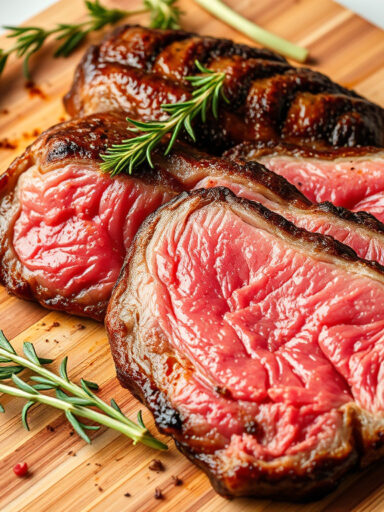
The goal of searing meat is to quickly brown the surface, creating flavor through the Maillard reaction. Oils like refined peanut, corn, or vegetable oils—which have smoke points above 400°F (205°C)—are ideal. Heat the oil just until it shimmers or barely smokes before adding meat to the pan.
2. Stir-Frying:
Wok cooking is very fast and requires a thin layer of oil heated to a high temperature. High smoke point oils such as safflower, peanut, or refined avocado oil perform best since they tolerate the intense heat without breaking down.
3. Deep-Frying:
Maintaining consistent high heat is critical for deep-frying. Refined oils with smoke points well above the frying temperature, like rice bran oil or sunflower oil, are recommended. Using a thermometer to monitor oil temperature helps prevent overheating.
4. Sautéing:
While sautéing does not always require the highest smoke point, oils with moderate smoke points like virgin olive oil can be suitable if the heat is controlled carefully.
Common High Smoke Point Oils
Based on research and culinary sources, here’s a list of popular high smoke point oils for different cooking applications:
| Oil Type | Smoke Point (°F / °C) | Notes |
|---|---|---|
| Safflower oil | 510°F / 265°C | Neutral flavor, great for high-heat cooking |
| Rice bran oil | 490°F / 260°C | Light taste, very stable under heat |
| Light/refined olive oil | 465°F / 240°C | Mild flavor, versatile pan oil |
| Peanut oil | 450°F / 230°C | Popular for frying and stir-frying |
| Corn oil | 450°F / 230°C | Widely available, neutral taste |
| Vegetable oil | 400-450°F / 205-230°C | Blend of refined oils, budget-friendly |
| Clarified butter (ghee) | 450°F / 230°C | Rich flavor, higher smoke point than butter |
| Canola oil | 400°F / 205°C | Mild flavor, affordable |

Tips for Using High Smoke Point Oils
- Avoid overheating: Even high smoke point oils will degrade if heated well past their limits. Remove from heat if you see smoke.
- Store properly: Keep oils away from light, heat, and air to prevent rancidity. Store in tightly sealed bottles in a cool, dark place.
- Choose oil based on cooking method: Match your oil’s smoke point to your intended cooking temperature.
- Recycle with caution: Reusing oil lowers its smoke point. If oil begins to smell off or smoke excessively, discard it.
Conclusion
Understanding and using high smoke point oils is key to mastering many cooking techniques, especially those requiring high heat. They not only enhance the flavor and texture of your food but also help maintain a safe and pleasant cooking environment. From stir-frying to searing and deep-frying, having the right oil on hand will elevate your kitchen game and protect your health. So next time you’re preparing to cook at high temperatures, reach for an oil with a high smoke point—your dishes and your kitchen will thank you!
References
- Serious Eats, Niki Achitoff-Gray, What’s a Smoke Point and Why Does it Matter?
- Wikipedia, Smoke point of cooking oils
- Cooking community insights from Reddit
By incorporating high smoke point oils into your kitchen, you’re not just cooking; you’re mastering an essential culinary secret!