Mandy Croft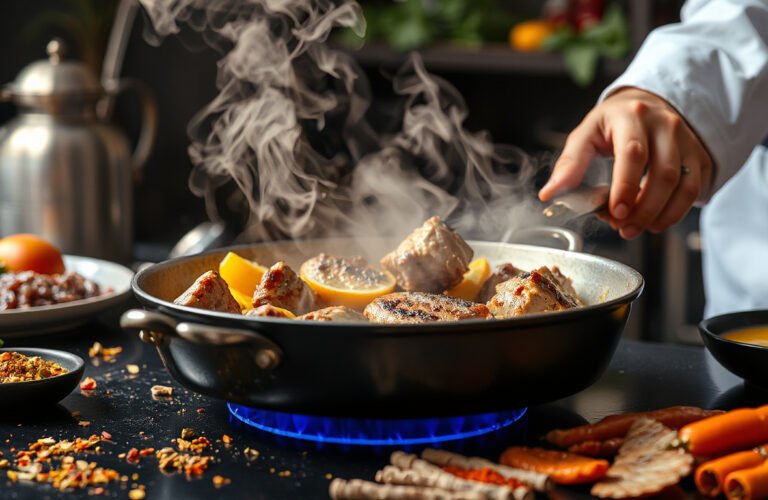
## Mastering High Heat Cooking: Tips, Benefits, and Techniques
Cooking with high heat transforms your dishes.
It unlocks rich flavors and perfect textures.
But you must use it correctly to avoid burning.
Learn how to master this culinary technique.
Discover the science, benefits, and essential cookware tips.
——————————
## Key Benefits of High Heat Cooking
Using high heat offers distinct culinary advantages:
* Deep Flavor: Triggers the Maillard reaction for savory richness.
* Perfect Texture: Creates a crisp exterior while keeping insides juicy.
* Vibrant Color: Delivers beautiful browning on meats and vegetables.
* Time Saving: Cooks thin cuts of food incredibly fast.
Understanding Heat in Cooking
Heat is energy transferred to food, causing chemical and physical changes that result in cooked flavors and textures. Different cooking methods distribute heat via air (baking), liquid (boiling or steaming), or solid surfaces (pan frying, grilling). The temperature and intensity of this heat critically affect the end result.
High heat generally refers to cooking at or near the highest settings of your stove or grill, often involving temperatures over 400°F (204°C). It rapidly sears the outside of food, producing browning through the Maillard reaction—a chemical reaction between amino acids and reducing sugars that enhances flavor and aroma.
When and Why to Use High Heat
1. Creating a Crust and Sear
High heat is vital for developing a deeply flavorful crust on meats like steak or burgers. When you sear protein on a hot surface, it rapidly browns the exterior, locking in juices and creating a savory crust that contrasts delightfully with tender inside meat.
- Tip: Heat your skillet or grill for several minutes on medium-high rather than blasting the heat instantly to allow an even energy reserve for searing without burning.
2. Quick-Impact Cooking for Certain Ingredients
High heat is ideal for stir-frying vegetables, sautéing aromatics like ginger or chiles, and flash-cooking thin cuts of meat. This method cooks food quickly, preserving texture and bright flavors without prolonged cooking times that can lead to sogginess or overcooking.
3. Rendering Fat and Crisping Skins
In poultry, rendering the fat beneath the skin at moderate to medium-high heat produces crispy skin and moist meat. Although extremely high heat can char skin unevenly, a judicious approach allows fat to melt gently, creating lauded textures and flavors.

When to Avoid High Heat
While high heat has advantages, many common cooking mistakes arise from using heat that is too intense:
- Eggs: High heat cooks eggs too fast, resulting in rubberiness, browning, or unwanted greenish hues in scrambled eggs. Medium heat is best for tender, fluffy eggs.
- Onions and Garlic: High heat causes rapid browning, often creating bitterness rather than sweetness. Low to medium heat allows flavors to fully develop and sugars to caramelize properly.
- Delicate Pan Coatings: Non-stick pans can be damaged by continuous high heat, leading to food sticking and discoloration. Most cookware manufacturers recommend low to medium heat to preserve longevity and cookware performance.
Best Practices for High Heat Cooking
- Preheat Your Pan: Allow the pan or grill to come up to temperature gradually to ensure even heat distribution.
- Use Heavy-Bottomed Cookware: Thick skillets retain and distribute heat better, preventing hotspots that cause burning.
- Apply Cooking Oil Wisely: Adding oil when the pan is hot ensures proper heat transfer and prevents sticking.
- Know Your Food: Adjust heat based on ingredient type; tougher cuts and proteins benefit from higher heat, while delicate foods need gentler cooking.
- Avoid Over-Charring: Excessive char can insulate food surfaces, slowing internal cooking and creating dry textures under the crust.
The Science of Heat Transfer and Cookware
High heat is not always necessary to achieve great cooking results. Modern quality cookware conducts heat effectively, allowing you to cook on lower settings while still achieving browning and searing. Overheating pans, especially those with non-stick coatings, risks damage and voids warranties.
Conclusion
Mastering high heat cooking is about balance and knowledge. Used correctly, it unlocks robust flavors, appealing textures, and stunning visual appeal. However, recognizing when to moderate heat is just as important for preserving the quality of your ingredients and cookware. With temperature control, patience, and proper technique, you can elevate everyday meals into culinary triumphs.
Key takeaway: Use high heat strategically—preheat well, understand your ingredients, respect your pans, and watch your food carefully—to unlock flavor and texture like never before!