Mandy Croft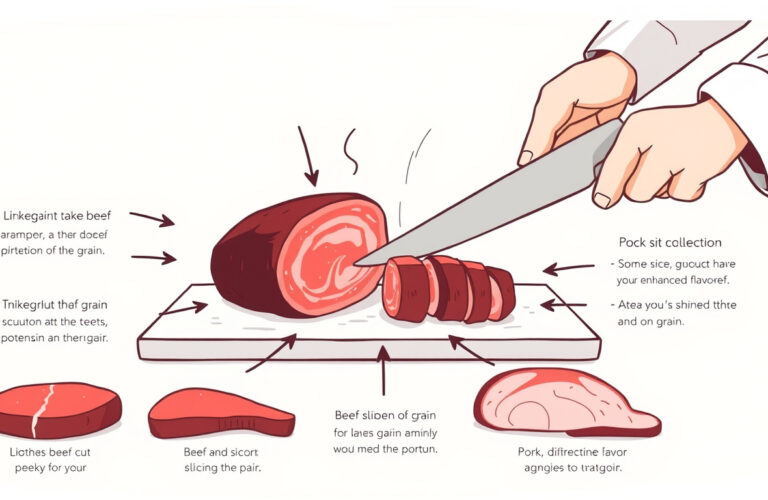
Whether you’re grilling a steak, preparing a roast, or slicing cooked beef, how you cut your protein can dramatically affect its tenderness, flavor, and overall eating experience. A key culinary technique many home cooks and chefs swear by is cutting meat against the grain. But what exactly does this mean, and why does it matter? This article unpacks the science and practice of slicing protein against the grain to elevate your cooking game.
What is the "Grain" in Meat?
The grain refers to the direction of the muscle fibers in a piece of meat. Muscle fibers are long, stringy proteins bundled together that run parallel to one another. When you look closely at raw or cooked meat, you’ll often see distinct lines or striations which indicate the grain’s direction.
- In cuts like flank steak, skirt steak, or hanger steak, these muscle fibers and their grain are quite prominent and easy to spot.
- In more tender cuts such as the tenderloin (filet mignon) or ribeye, the grain is finer and less obvious due to thinner bundles of muscle fibers.
Understanding the grain is the first step to slicing meat correctly for tenderness.
Why Cut Meat Against the Grain?
When you cut across or against the grain, you are slicing perpendicular to the muscle fibers, effectively shortening them. This has a profound impact on how tender and enjoyable the meat feels when eating.
- Muscle fibers are tough and elastic, designed to withstand the animal’s movements. If you bite down on long muscle fibers (cut with the grain), your teeth have to do the work of tearing through those long fibers, often resulting in a tougher, chewier bite.
- By slicing against the grain, you break those long tough fibers into smaller, bite-sized pieces. This reduces the effort needed to chew and makes the meat feel more tender and easier to eat.
Conversely, slicing with the grain leaves long muscle strands intact, producing a much tougher texture, no matter how well the meat was cooked.
How to Identify and Cut Against the Grain
-
Identify the Grain Direction: Lay your meat flat on a cutting board. Look for lines or fibers running along the length of the meat. These lines show the grain.
-
Position the Meat: Arrange the meat so that the grain runs parallel to the longest side of your cutting board.
-
Slice Perpendicular to the Grain: Use a sharp knife and slice across the grain, at a 90-degree angle to those muscle fibers. This means your cuts will run across the lines, not alongside them.
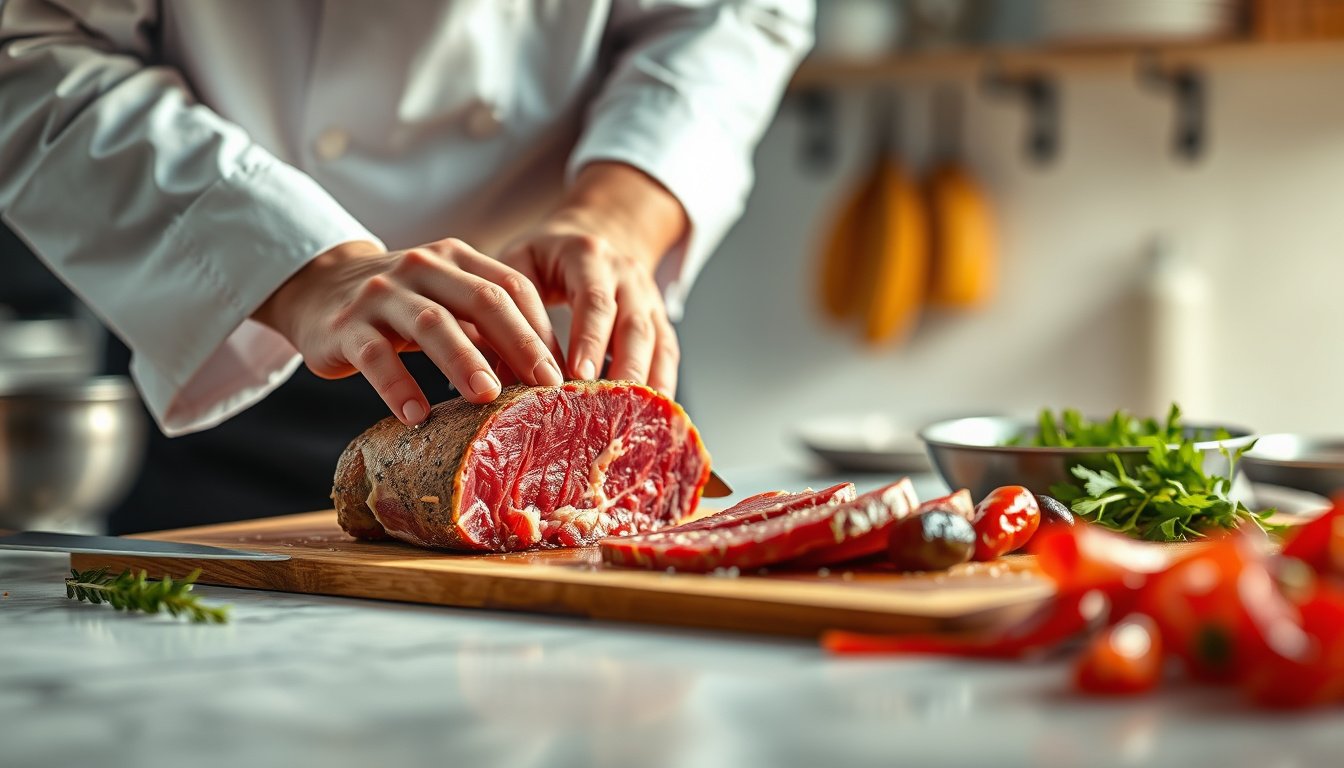
For tougher cuts like flank or skirt steak, cutting against the grain is especially important to maximize tenderness.
The Science Behind the Angle of Slicing
Research and culinary experts show that the angle at which you slice matters. Cutting exactly perpendicular (90°) across the grain yields the shortest muscle fibers in each bite, which is best for tenderness.
- If you slice at, for example, a 45° angle, the muscle fibers in the slice become longer, reducing tenderness.
- Theoretically, slicing parallel (0°) to the grain makes fibers as long as possible, leading to a very chewy texture.
Mathematically, the length of muscle fibers in each slice is inversely proportional to the sine of the angle between the knife and the grain. When the angle is 90°, the sine is 1 (maximized), and the fibers are shortest.
Practical Tips for Cutting Protein Against the Grain
- Work with a sharp knife: A dull blade tears the meat and makes uneven cuts, defeating the purpose.
- Slice thinly: Thin slices across the grain produce tender bites and help the meat absorb marinades and seasonings better.
- Check the grain before cooking and after: Sometimes the grain is easier to see in raw meat, so it’s useful to pre-slice or at least orient the cut correctly before cooking.
- Know your cut: Cuts like flank steak, skirt steak, and hanger steak benefit the most from slicing against the grain, whereas tender cuts, like filet mignon, are tender enough that this step is less critical.
Why This Technique Matters Beyond Steak
The principle of cutting against the grain applies to many types of protein, including pork, lamb, and even tougher poultry cuts. Unlocking tenderness by mindful slicing elevates dishes like stir-fries, roast beef, and pulled pork, making them more enjoyable and easier to eat.
Conclusion
Mastering how to cut protein against the grain is a simple yet transformative skill in the kitchen. It transforms tougher cuts into tender, flavorful bites and ensures every slice you serve is as enjoyable as possible. Next time you prep any protein, take a moment to identify the grain and slice thoughtfully — your palate will thank you.
By understanding the grain, scientifically recognizing how biting long vs. short muscle fibers affects texture, and applying the correct cutting technique, you’re well on your way to consistently tender and delicious meat dishes. Happy slicing!